
Explore Our Services
Explore our range of evidence-based services tailored to support your child’s strengths, goals and communication needs.
How can we help?
We offer a range of evidence-based services to support your child's communication development and learning. Explore our services below to learn more.
-
Speech sound disorders are difficulties in producing sounds that create speech. This includes articulation, phonological processes and motor planning disorders. We can help with…
Articulation Disorders: e.g. Lisp
Phonological Impairment: e.g. ‘rabbit’ pronounced as ‘wabbit’
Childhood Apraxia of Speech (CAS): Difficulty coordinating the movements needed for speech production.
-
This therapy supports young children as the acquire their first words and start to form meaningful phrases and/or sentences. Our Speech Pathologists teach parents and carers evidence-based early language stimulation techniques to encourage their child to use spoken and gestural communication. Our therapists work closely with parents to help them implement these strategies across a variety of contexts.
-
Literacy intervention supports children with their reading and writing. Our therapists are Sounds Write trained. This is a Synthetic Phonics approach which teaches reading and spelling by building words from their smallest units of sound, by systematically introducing letter sounds and blending them together to form words. Our therapists have experience working with children that may have a Specific Learning Disorder (SLD) (or dyslexia).
-
Developmental Language Disorder (DLD) affects a child’s ability to understand and use spoken language. Children with DLD may have difficulty expressing themselves clearly, understanding others, following instructions and organising their thoughts. DLD can be diagnosed by a Speech Pathologist. Our therapists provide individualised, evidence-based support to help children achieve functional communication goals and participate confidently at home, school and in the community.
-
Stuttering is a communication difference that affects a person’s fluency of speech. It often involves disruptions or blockages in the flow of speech, causing repetitions of sounds, words, or phrases.
Stuttering can present in various ways, such as repeating sounds (like "b-b-ball"), prolonging sounds (like "sssssnake"), or experiencing sudden involuntary pauses or movements while speaking.
Our therapists are able to support children with smooth speech and offer the following programs:
Lidcombe Program: An evidence-based, parent-led treatment program designed for young children who stutter.
Oakville Program: An evidence-based therapy approach that helps school-aged children develop smoother, more confident speech.
Westmead Program: An evidence-based treatment that uses syllable-timed speech to improve fluency in children who stutter.
Camperdown Program: An evidence-based fluency treatment for adolescents and adults that focuses on reducing stuttering using prolonged speech techniques.
-
Every child deserves to feel understood, valued and supported. Our therapists provide neurodiversity-affirming, strengths-based therapy that celebrates each child's unique way of communicating, learning and engaging with the world. Using a collaborative, client-centred approach, we create a safe, inclusive environment where children can build confidence and develop functional communication skills.
-
During the school holidays we may run group programs to support school readiness, literacy, language or social skills. Specific information about these programs will be provided when they are available.
-
Augmentative and Alternative Communication (AAC) includes a range of tools and strategies that support children who have difficulty communicating using speech alone. AAC may include gestures, key word sign, communication boards or speech-generating devices, and can help children express their thoughts, needs and ideas more effectively. Our therapists provide comprehensive AAC assessments, support families to identify the most appropriate communication system, and work collaboratively to help children develop functional communication skills across everyday environments.

Our Process
Initial Intake
Taking the time to find out your concerns and connect with relevant professionals (teachers, other allied health professionals) to determine the best next type of assessment or next steps.
Comprehensive Assessment
An assessment will allow us to explore any concerns you may have with your child’s communication development and set functional goals for ongoing therapy. Each comprehensive assessment includes a report with recommendations to determine realistic and achievable targets for your child.
Evidence-Based Therapy
The highest quality of therapy is provided for all children, supported by the most recent and effective research evidence. Therapy sessions are offered as 45-minute or 60-minute appointments. They can be provided in our clinic, at home, school or online.
Client and Family-Centered Care
We believe the best outcomes occur when children and their families are actively involved in the therapy process. By working together, we can develop functional goals and provide strategies that support communication beyond the therapy room.
Kids Club @ Speak & Develop
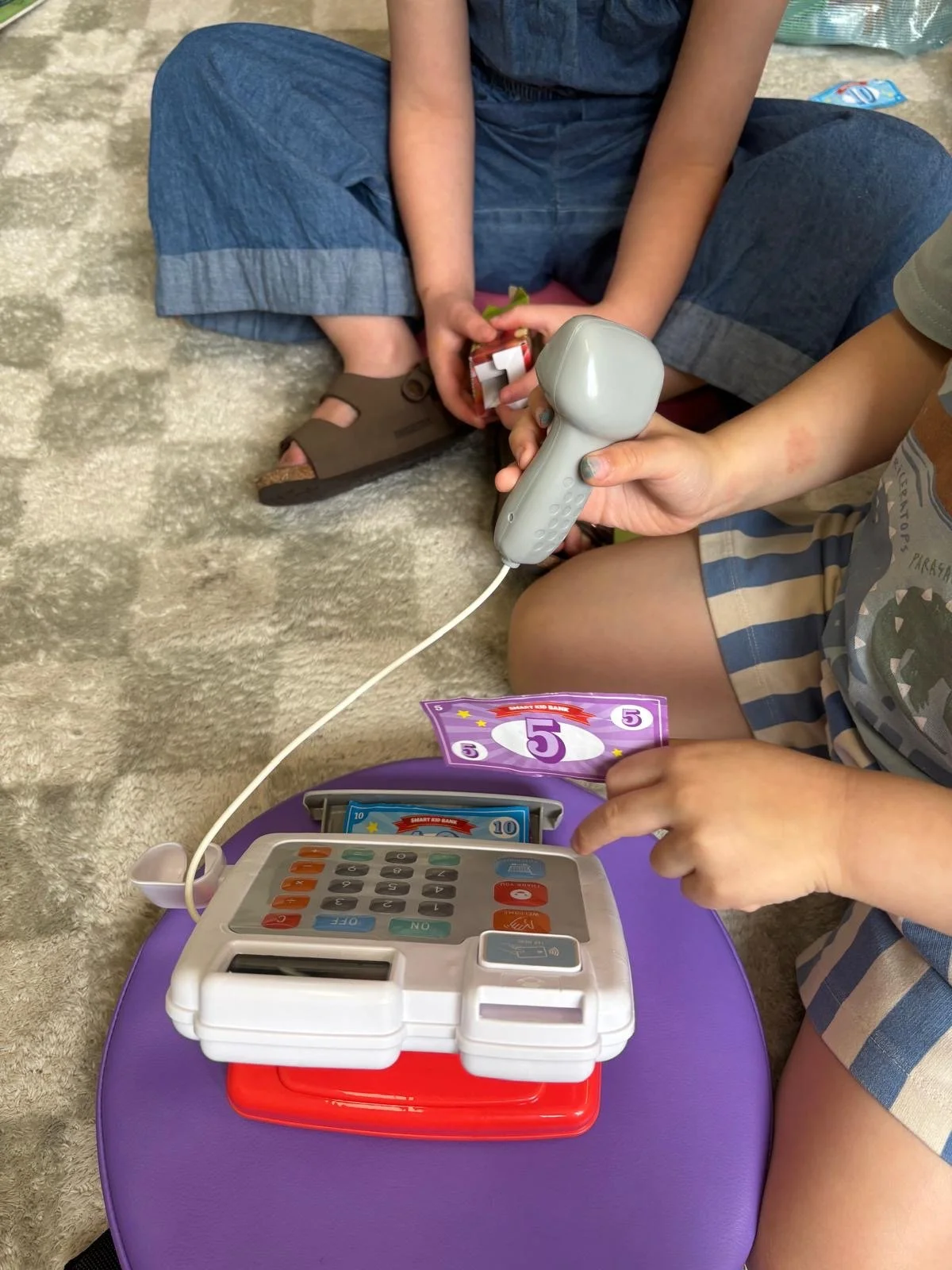
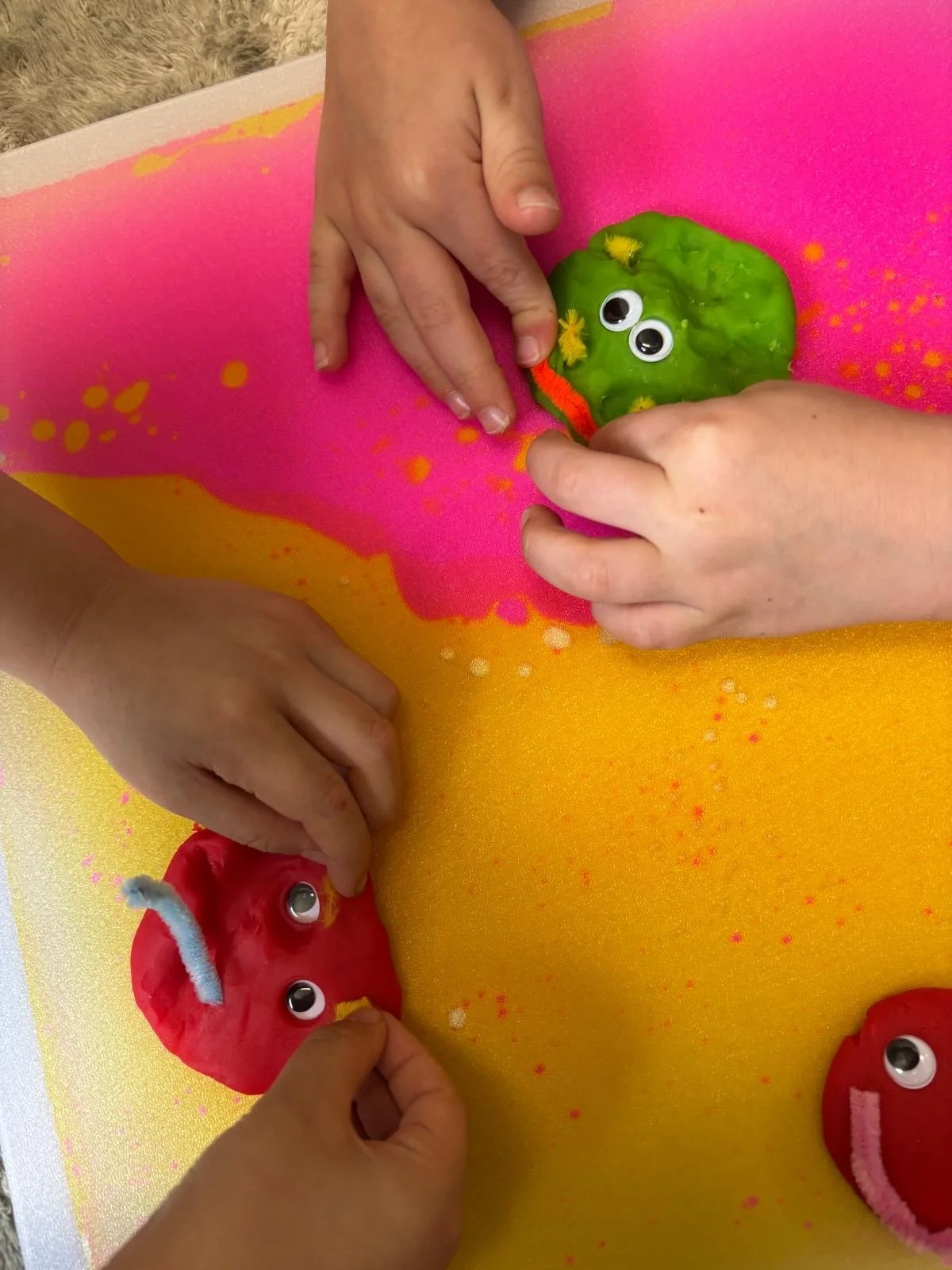
Kids Club @ Speak & Develop is a fun, supportive space for children aged 4 to 6 to build their social communication skills through play. It is a therapy group that runs on a monthly basis and is guided by our wonderful speech pathologists. Each session is designed to support children with pretend play, turn-taking, sharing, problem solving and early conversation skills in a dynamic, fun and inclusive setting.
This group is also a great way to help children prepare for preschool and school. Children have the opportunity to practise listening, following routines, joining in group activities, and collaborating with peers. These are important skills for settling into early learning environments and support language development.
Areas we service across the North Shore
We service suburbs across the North Shore including but not limited to: